The Farmers Behind Every Pod
Every pod we sell traces back to a smallholder farm in the SAVA region. Tap a card to read the full story.
More stories
coming soon
Every pod we sell traces back to a smallholder farm in the SAVA region. Tap a card to read the full story.
More stories
coming soon

I'm baaaaack! I don't need to see the Sambava sign to know I'm here. The smell tells me first.
Vanilla. Sweet. Warm. Familiar.
The kind of smell people bottle into perfumes and candles. The kind people drizzle into desserts without thinking twice about where it came from.
But I've been coming here too long now to only smell sweetness. Underneath that smell is labour. Real labour.
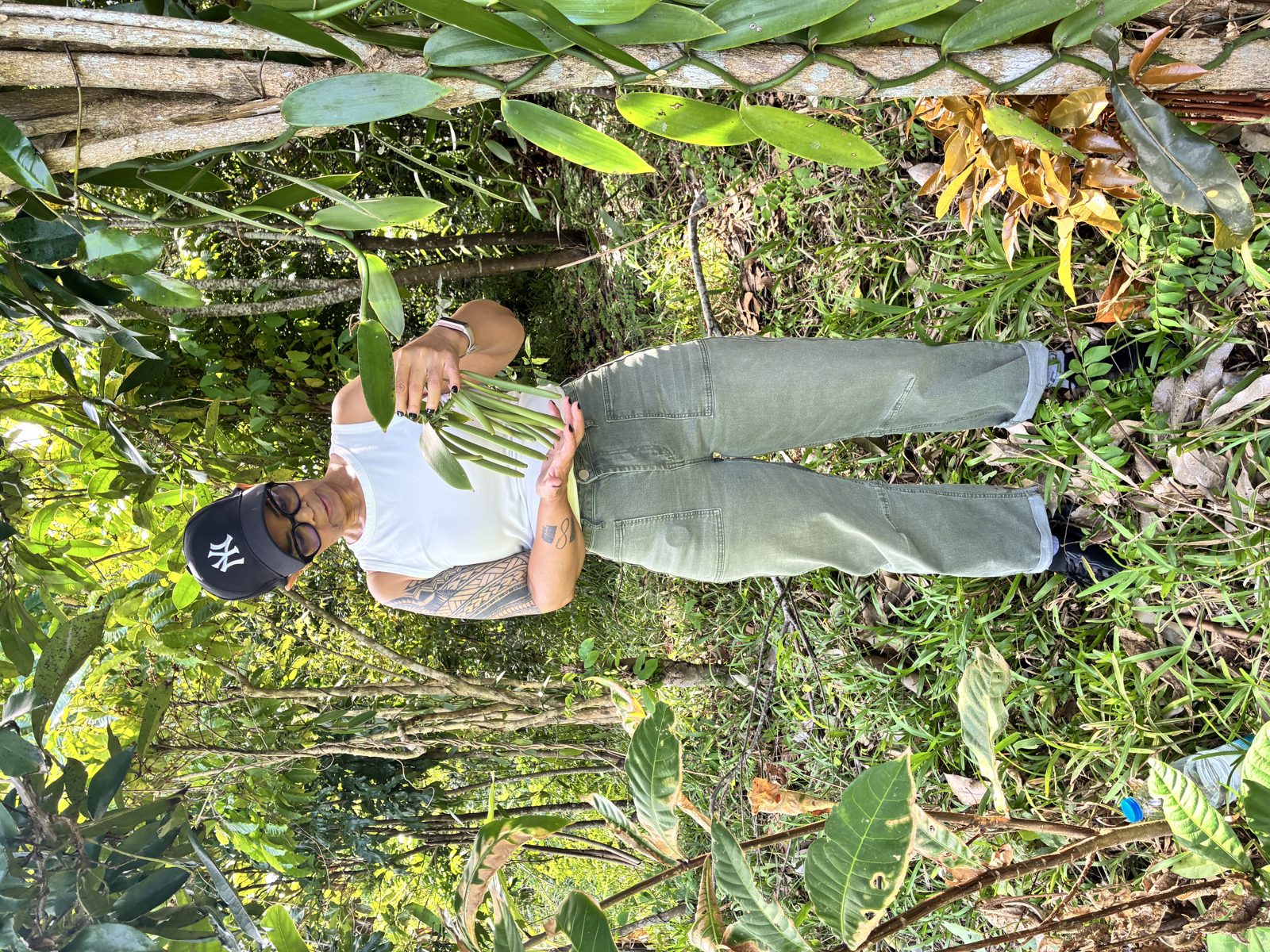
I stood in these fields watching hands move carefully from flower to flower. Human hands. Not machines. Not nature doing its thing on its own. People.
Every single vanilla flower here has to be hand pollinated. Hand. Pollinated. I keep repeating that in my head because it still shocks me every time.
One of the farmers gestures for me to try. I laugh nervously because I already know this is going to humble me. I try anyway. Wrong move. Dead. 🫣 Just like that.
I feel horrible immediately. But the farmer smiles at me with so much patience and grace that it almost makes me feel worse. Because for me it's one flower. A moment. A story I'll tell later. For them, this is survival.
This takes years to learn. Gentle hands. Careful timing. Precision. And after all of that work, they still have to wait nine months before harvest.
Nine months. Like carrying a full-term pregnancy in the middle of uncertainty. Floods. Cyclones. Heat. Disease. The fear that one bad season can undo everything.
For me, vanilla stopped feeling soft a few visits ago. When I'm looking at faces shaped by sun and hard work. When I'm hearing stories about seasons destroyed by weather. When I know that somewhere else in the world somebody is absentmindedly eating vanilla ice cream while scrolling on their phone completely disconnected from the human beings behind it.
I stand here feeling the heat on my skin and I don't know whether to feel guilty or grateful.
Maybe both.
Because despite everything, they welcome me warmly every single time I come here. They laugh easily. Smile fully. Share generously. The kind of generosity that humbles you because you know life has not been gentle with them.
And every time I'm here in Sambava, I carry the same uncomfortable thought with me: the world loves vanilla. But I'm not sure it sees the people behind it at all.

Ethical. Sustainable. Fair. We throw these words around so easily now.
Brands use them. Consumers look for them. Retailers print them onto packaging like badges of honour.
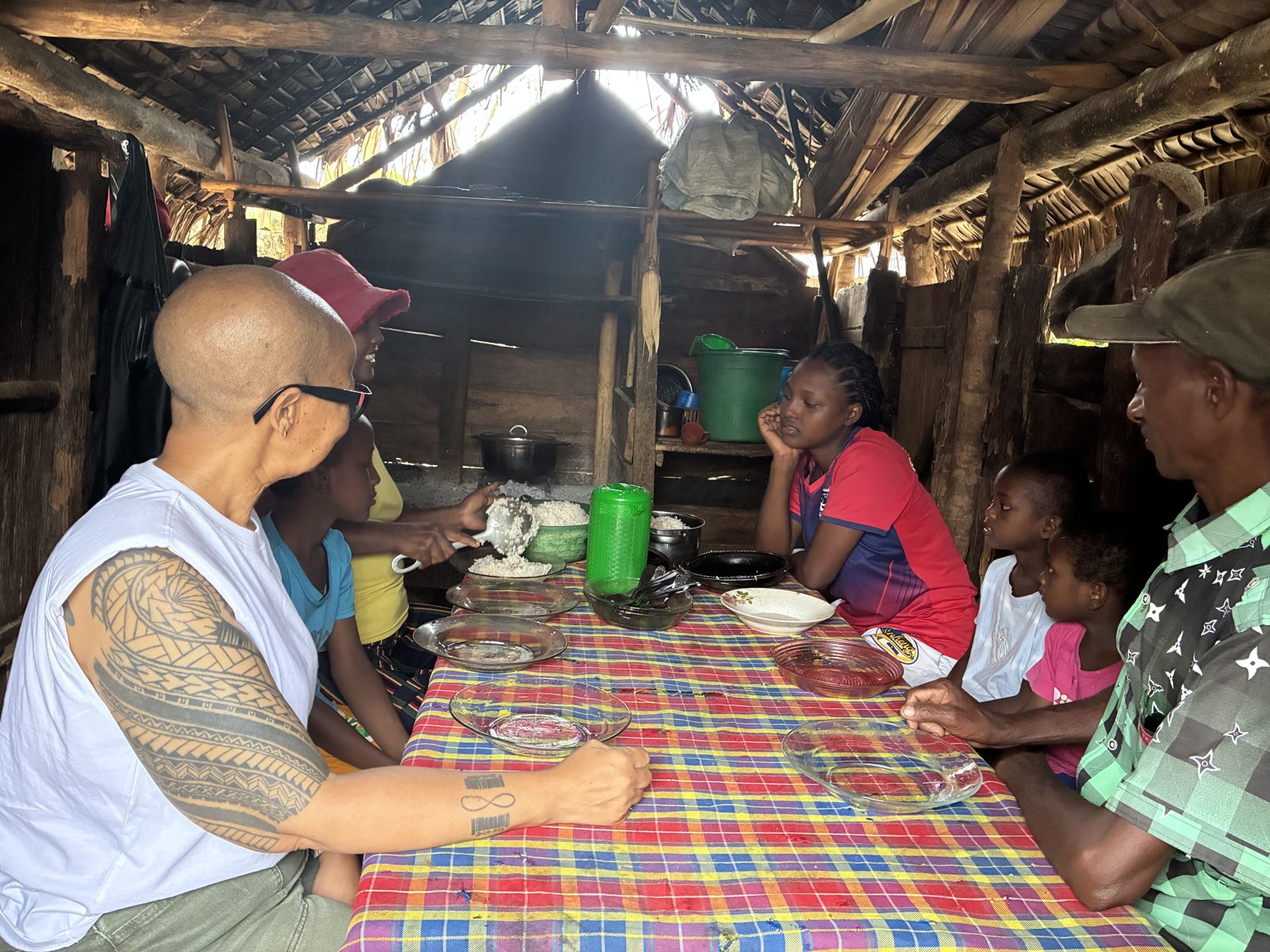
But sitting in Sambava about to share a meal with vanilla producers, I find myself quietly asking: ethical for who exactly? Because the table I'm sitting around does not speak abundance.
There is no excess here. No curated "farm-to-table" aesthetic. No performative sustainability campaign. Just people generously making space for me at their table when there really isn't much to go around.
I don't speak Malagasy. But I speak heart. I understand warmth. I understand dignity. I understand the language of people who give from the little they have.
That's what has me asking myself the tough questions.
I keep hearing these big industry words in my head: ethical sourcing, sustainable trade, fair pricing. Yet when I look around, I still see poverty.
Not hopelessness. Not helplessness. But poverty.
Yes, Fairtrade certification matters. Market access matters. The Fairtrade Minimum Price and Premium matter. I have seen the difference it can make firsthand. Improved homes. Children in school. Community projects. Opportunity. It matters for real for real, as my kids would say.
But somewhere between the boardroom conversations and the reality on the ground, something still feels deeply disconnected. How do we call trade ethical while still trying to negotiate producers down to the absolute lowest possible price?
How do we proudly market "ethical sourcing" while quietly celebrating getting the "best deal"? Best deal for who?
Because there is always a cost. Always. And too often, the people carrying that cost are the very people growing the products the world profits from.
Families. Farmers. Communities.
The uncomfortable truth is that ethical trade cannot only start once the product reaches the shelf. It has to start with how much we believe the people at the beginning of the supply chain deserve to live with dignity.
Not survive with dignity. Live with dignity.

Poverty is not laziness. I need people to stop reducing it to that.
I know poverty intimately. I know what it feels like to grow up inside circumstances that feel inherited. Like life happened for other people and you were simply expected to survive whatever was handed to you.
So when people say, "They should just make better choices," I flinch — because poverty is rarely just about choices. It's about who has access. To good schools. Safe communities. To transport. Mentors. Opportunity. To spaces where possibility feels imaginable.
Then there's exposure. Exposure is powerful. The first time you see a life bigger than the one you thought you were limited to, something shifts internally. Your dreams become louder than your environment.
I was fortunate enough to encounter people and opportunities that expanded my thinking beyond my circumstances. Not everybody gets that. I carry that awareness while sitting with vanilla producers in Sambava.
Because behind the beautiful polished story of vanilla is an exhausting amount of human labour.
Most of the vanilla produced here leaves Madagascar entirely. Exported. Sold into global markets. Very little remains for local households themselves.
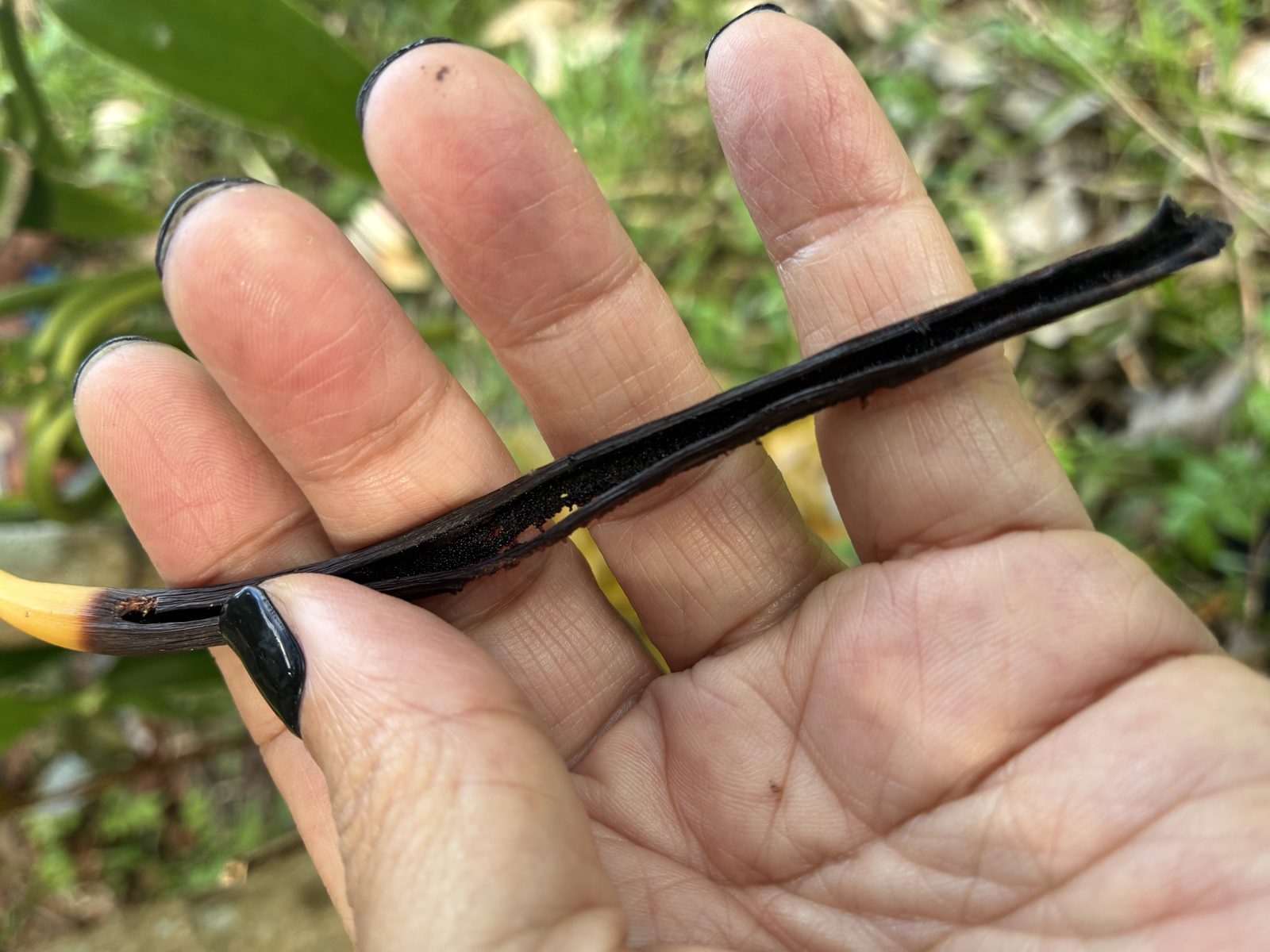
And the process is painstaking. After harvest, the vanilla pods are left out for days. Then blanched in hot water. Then placed in the sun for short periods every day. Then dried carefully in the shade. And during the drying process, every single pod must be massaged by hand repeatedly so the oils and aroma spread evenly through the pod.
Every. Single. Pod.
When people talk about vanilla, they talk about flavour notes and fragrance and luxury. I keep thinking about hands. Tired hands.
However, what challenged me most today had nothing to do with the fields.
I visit a registered school. Only to learn there are no permanent teachers. Parents pay volunteers to teach their children because there are simply no other options.
Then a father says something quietly: "My biggest dream is for my children to have a future." I felt that in my gut. Because I know what it means when somebody dreams beyond their current reality for their children. I know what it means to need somebody else to help bridge the gap between potential and opportunity. Nobody escapes poverty entirely alone.
Somewhere along the line, somebody opens a door. Somebody shares knowledge. Somebody gives exposure. Somebody creates access.
That is why conversations around ethical trade cannot stop at compliance checklists and certification stamps. They absolutely matter. But human beings need more than market access to transform their realities. They need functioning systems. Education. Infrastructure. Partnerships that are human-centred. Investment that goes beyond optics. People willing to see producers as more than suppliers.
Because poverty is layered. Complicated. Escaping it almost never happens through hard work alone. I know.